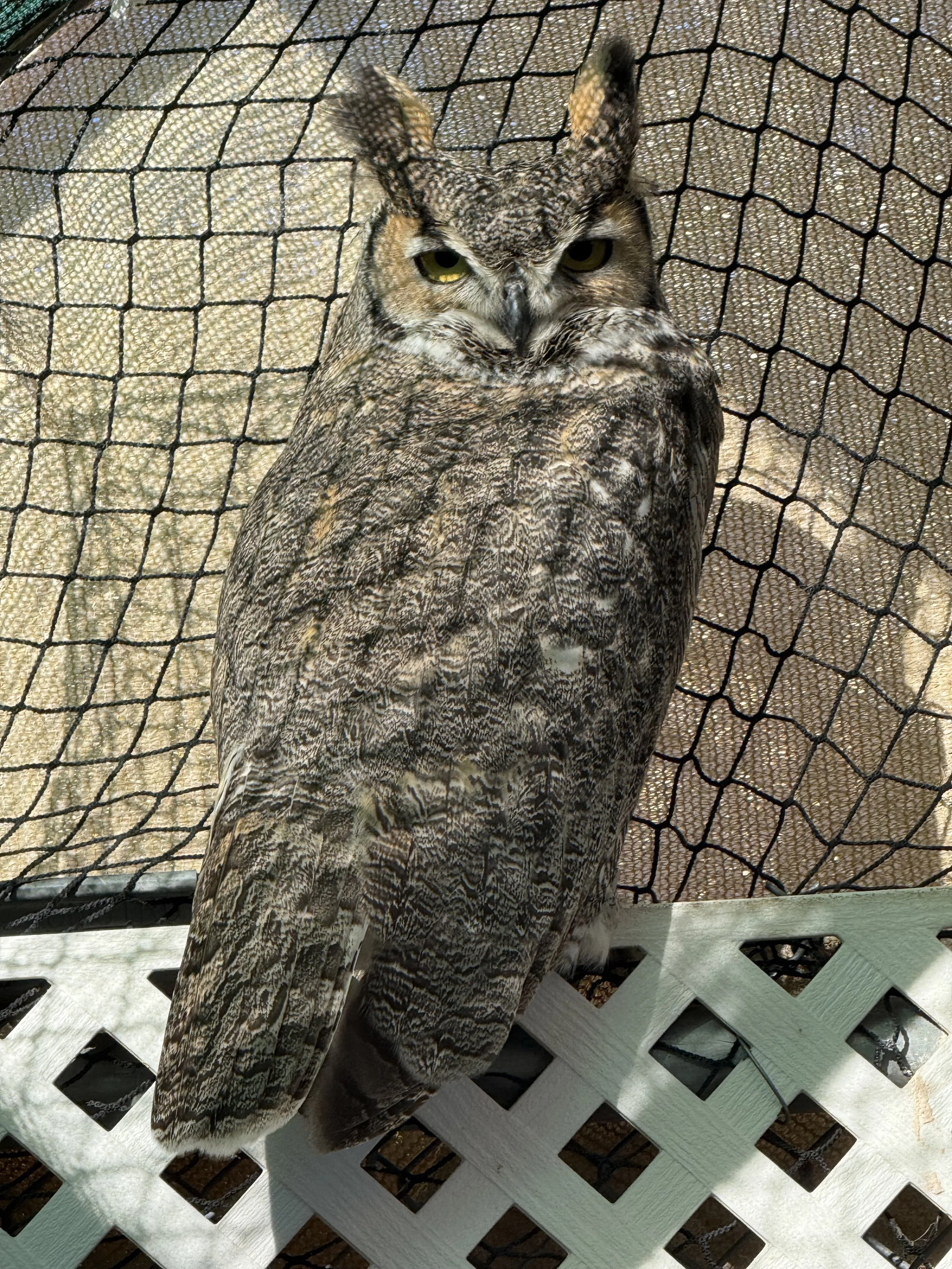
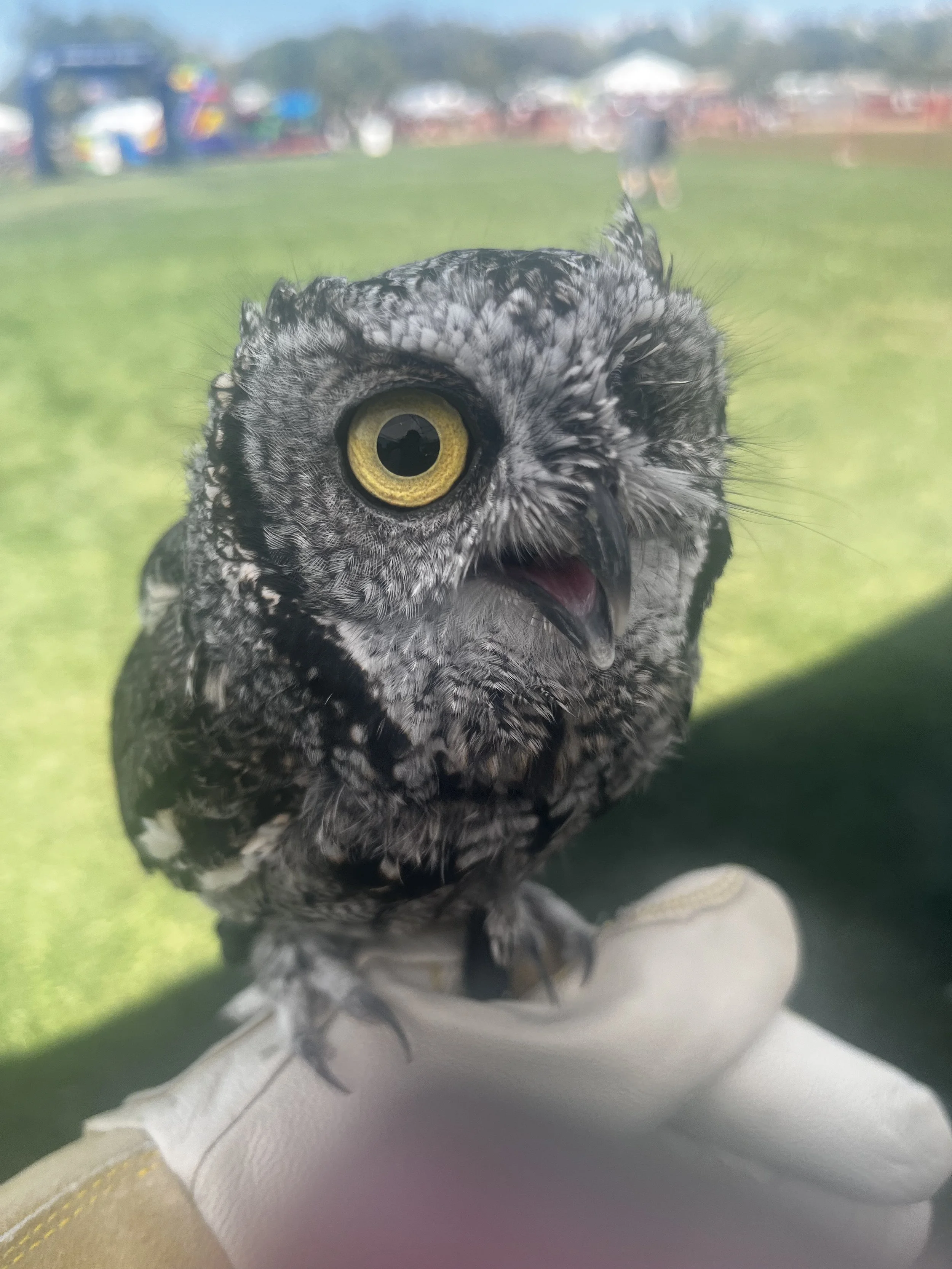
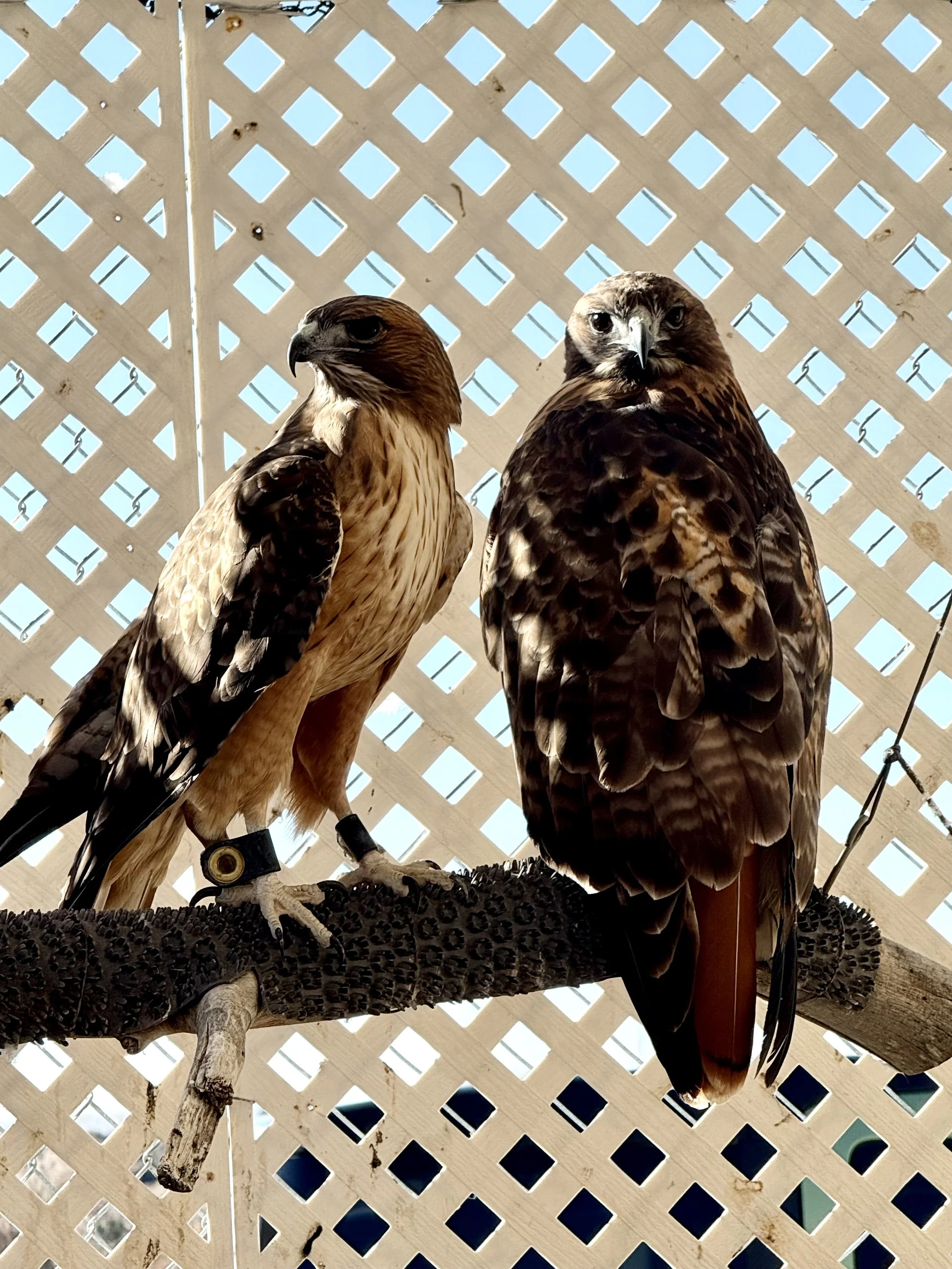
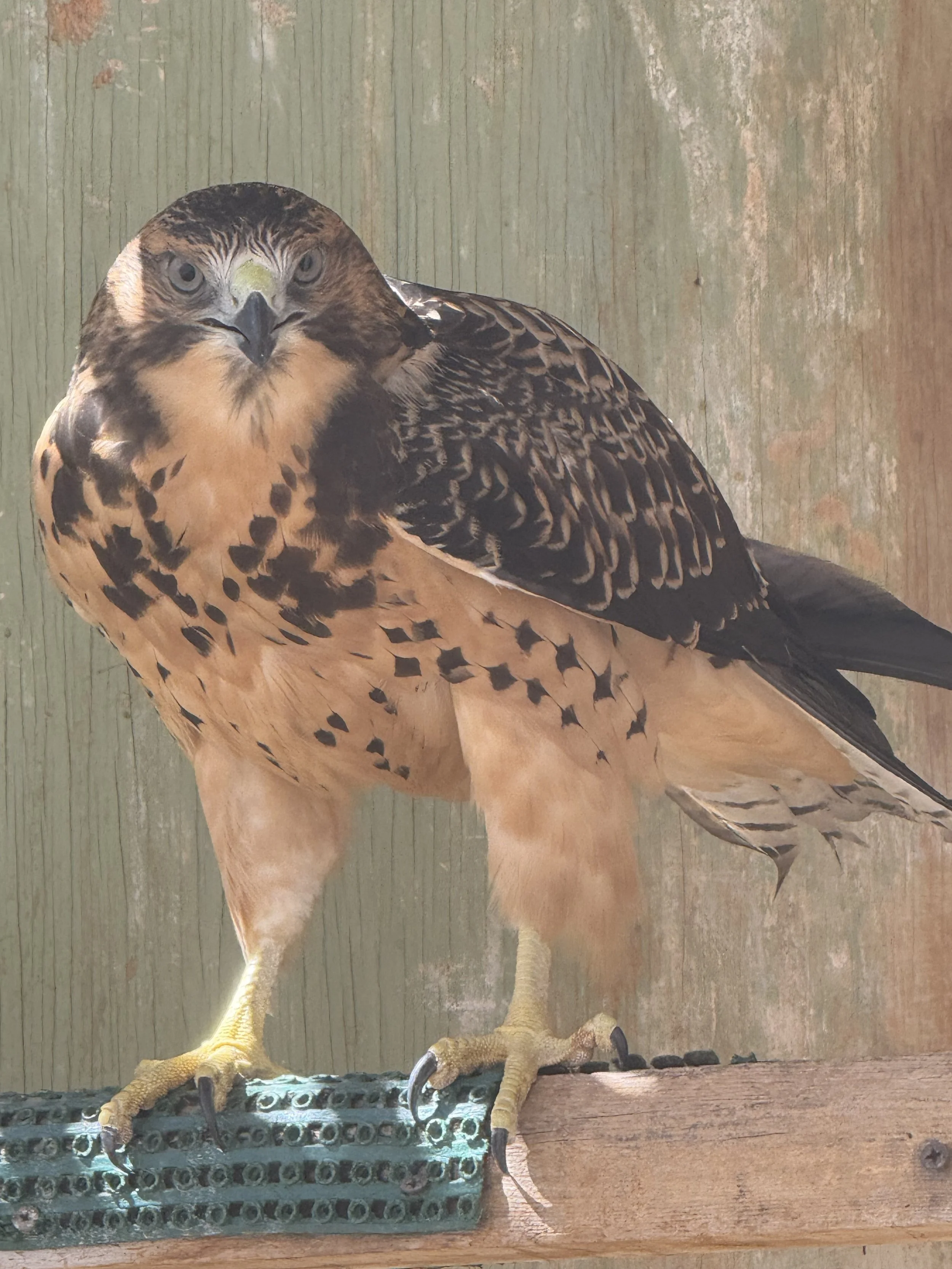
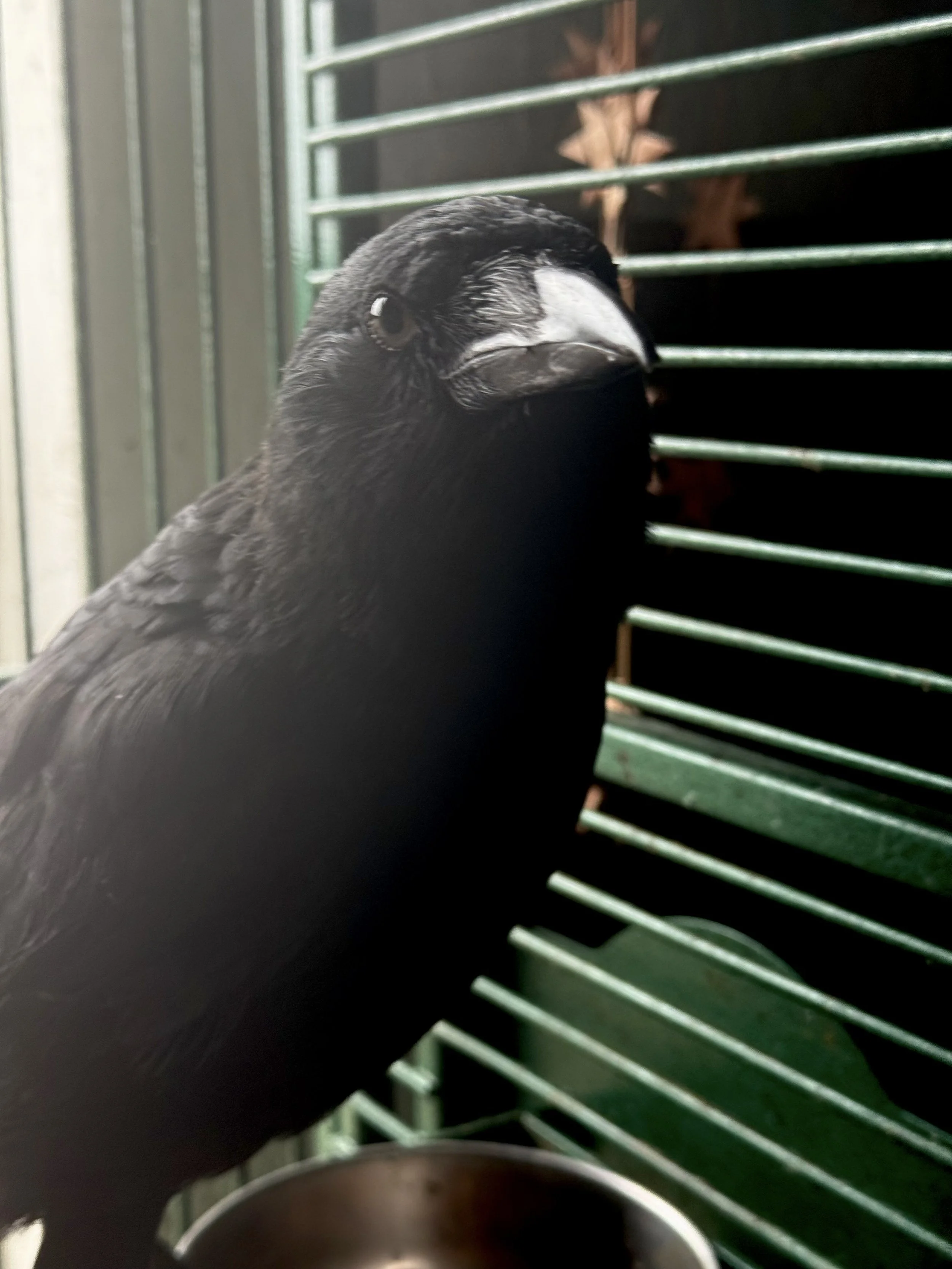
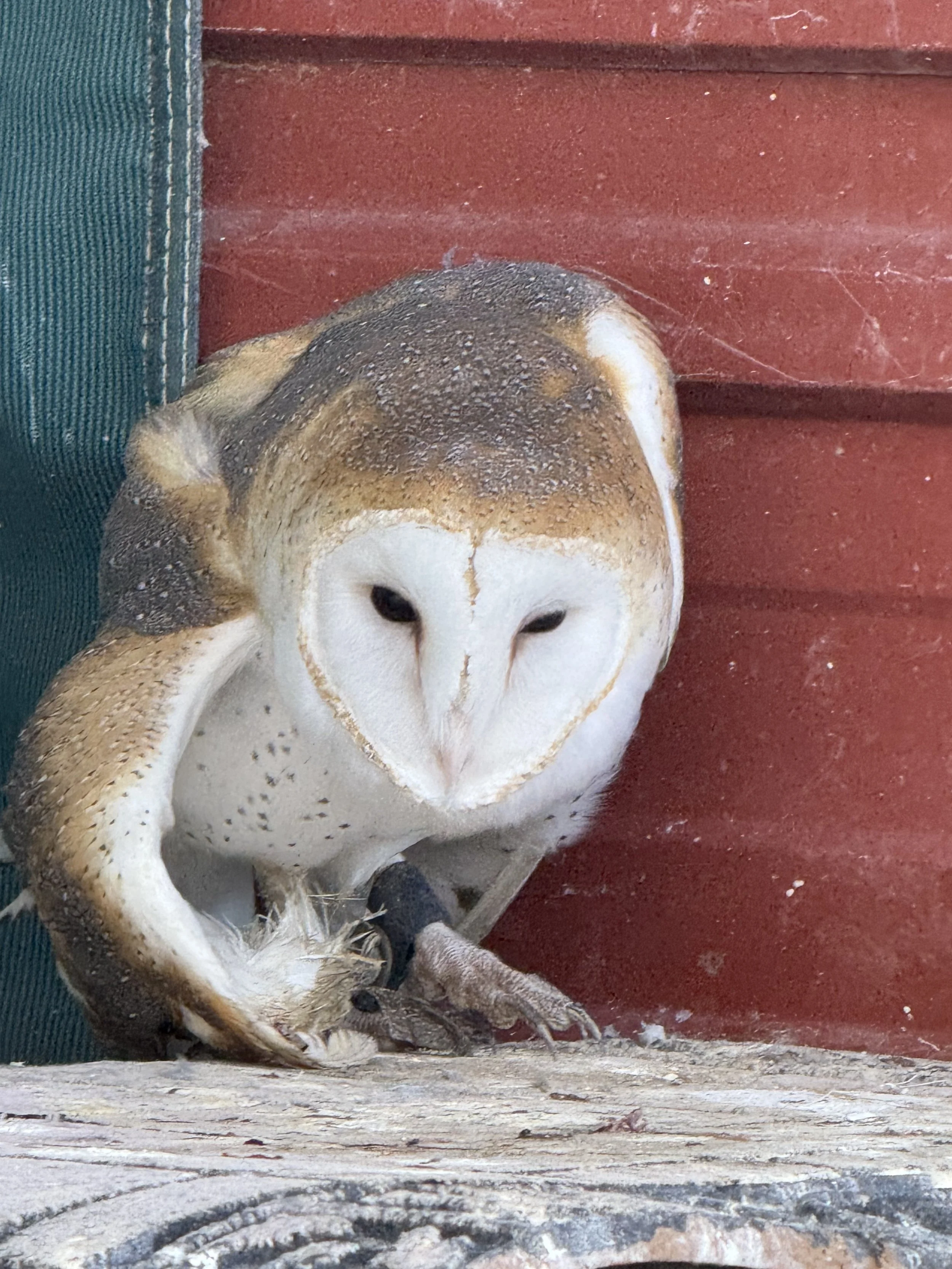
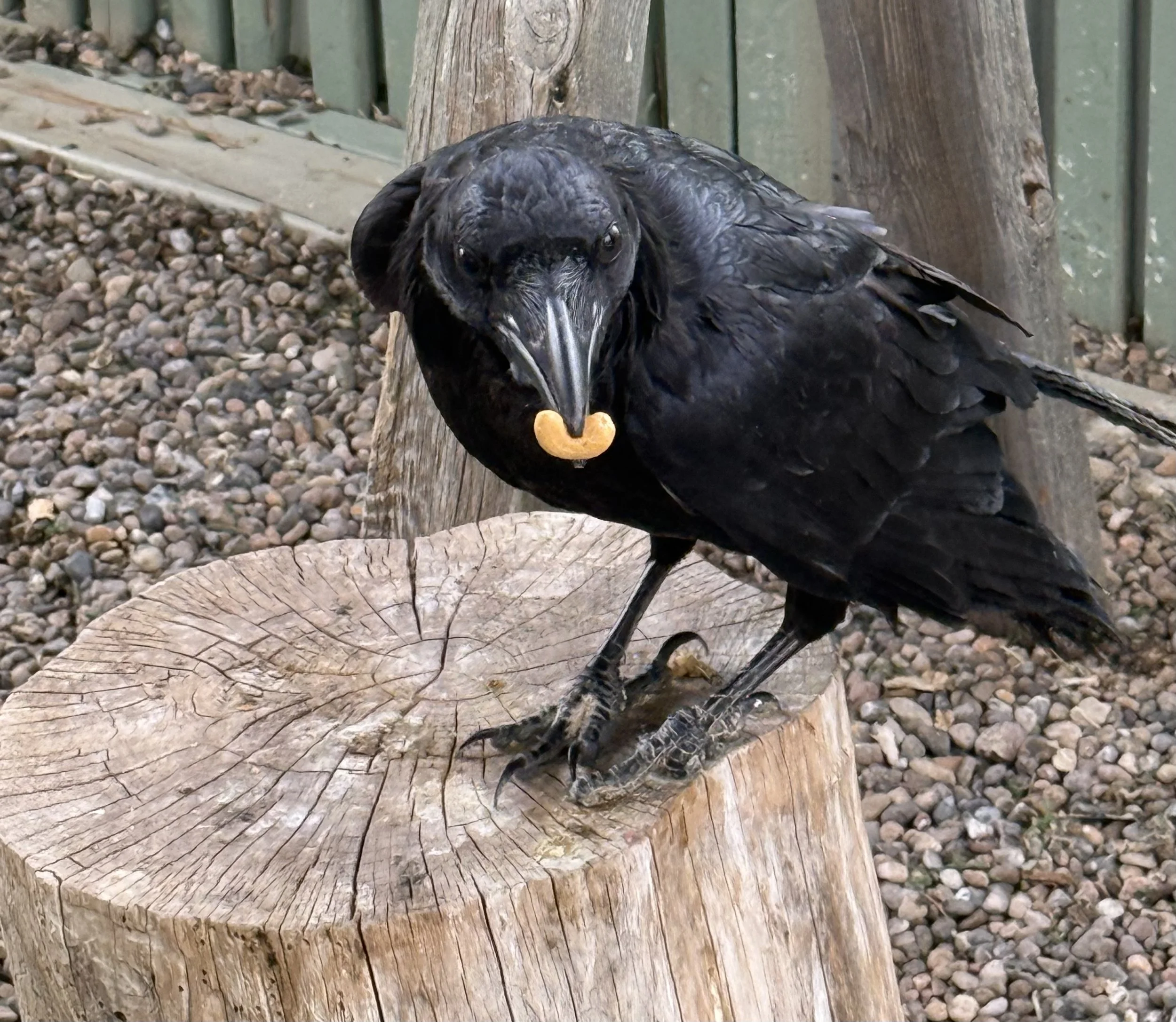
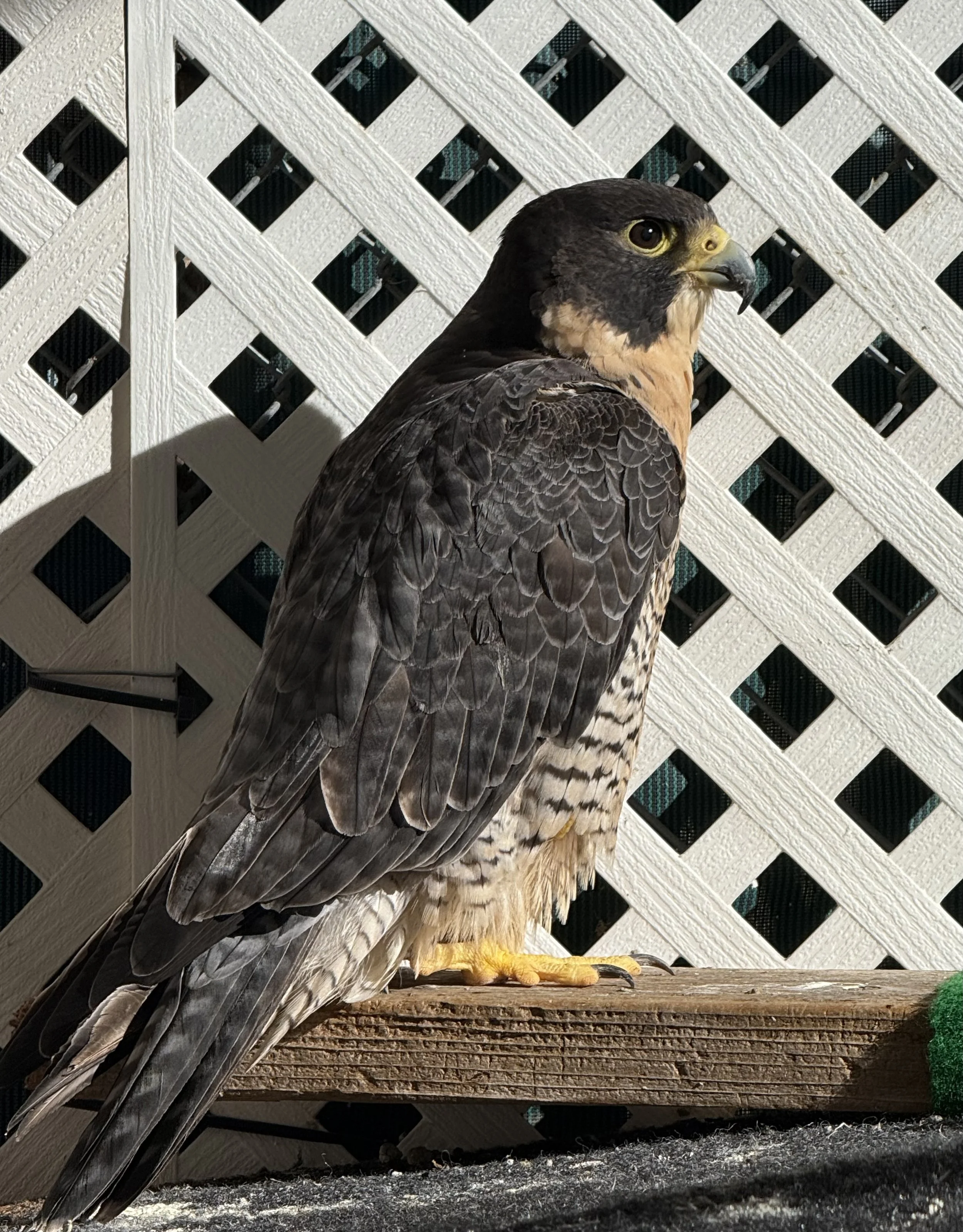
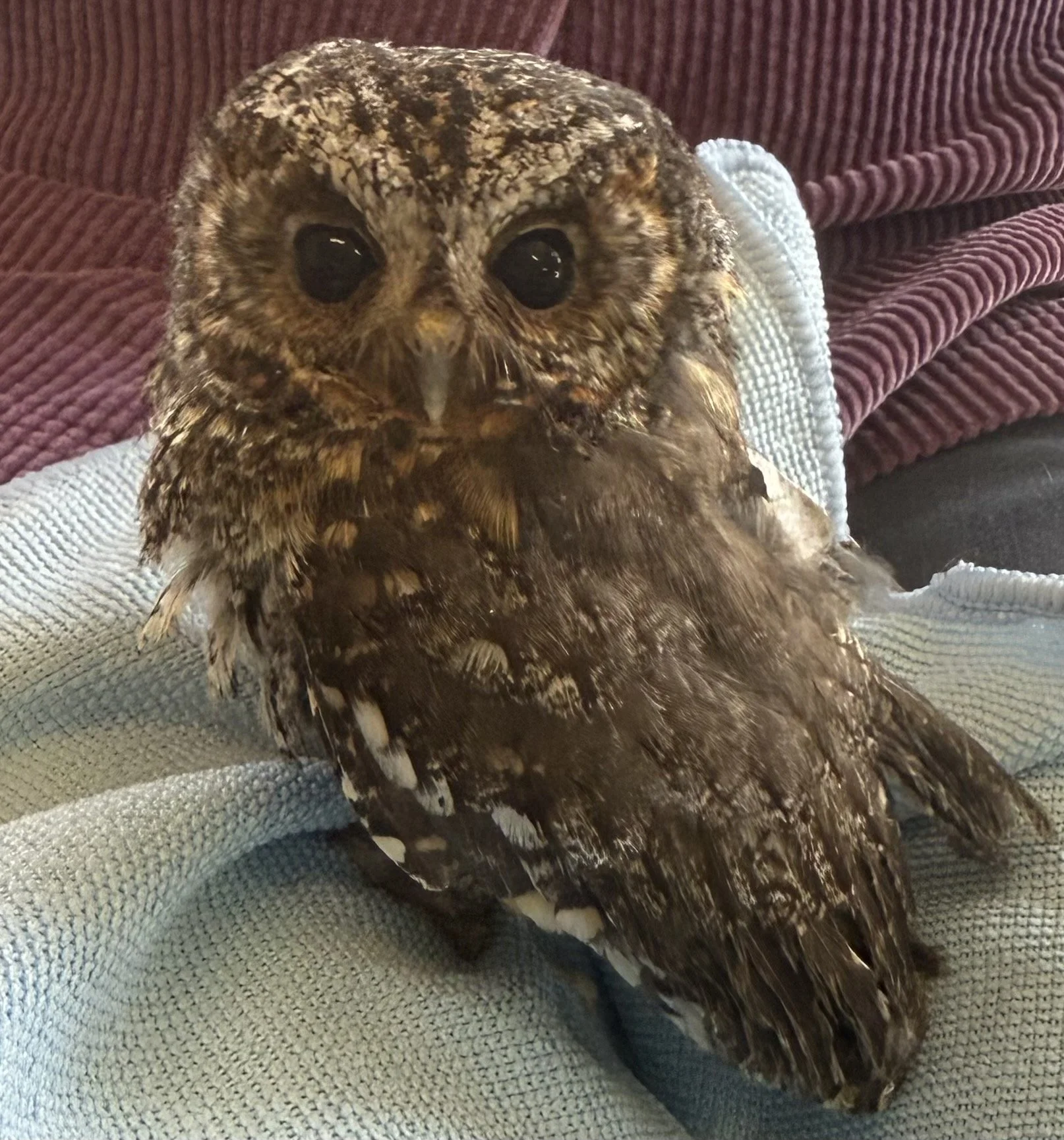
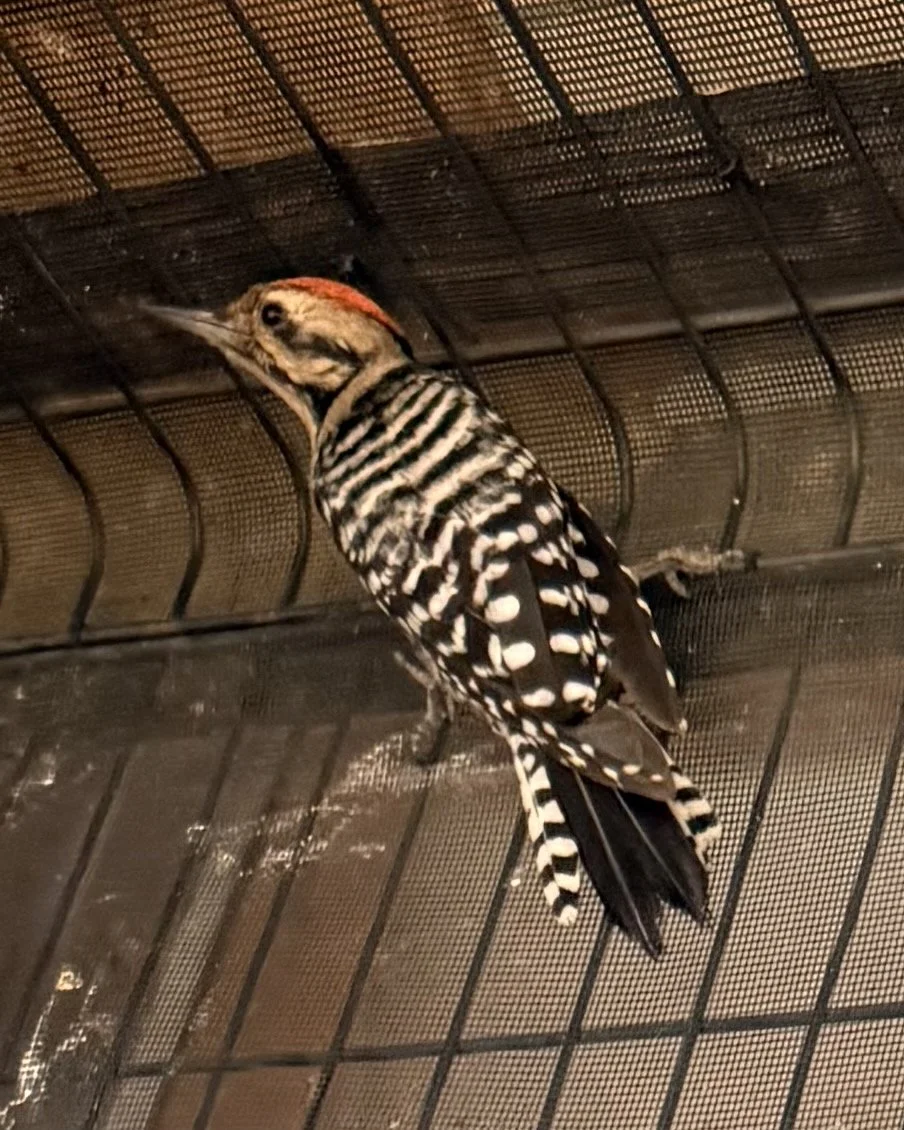
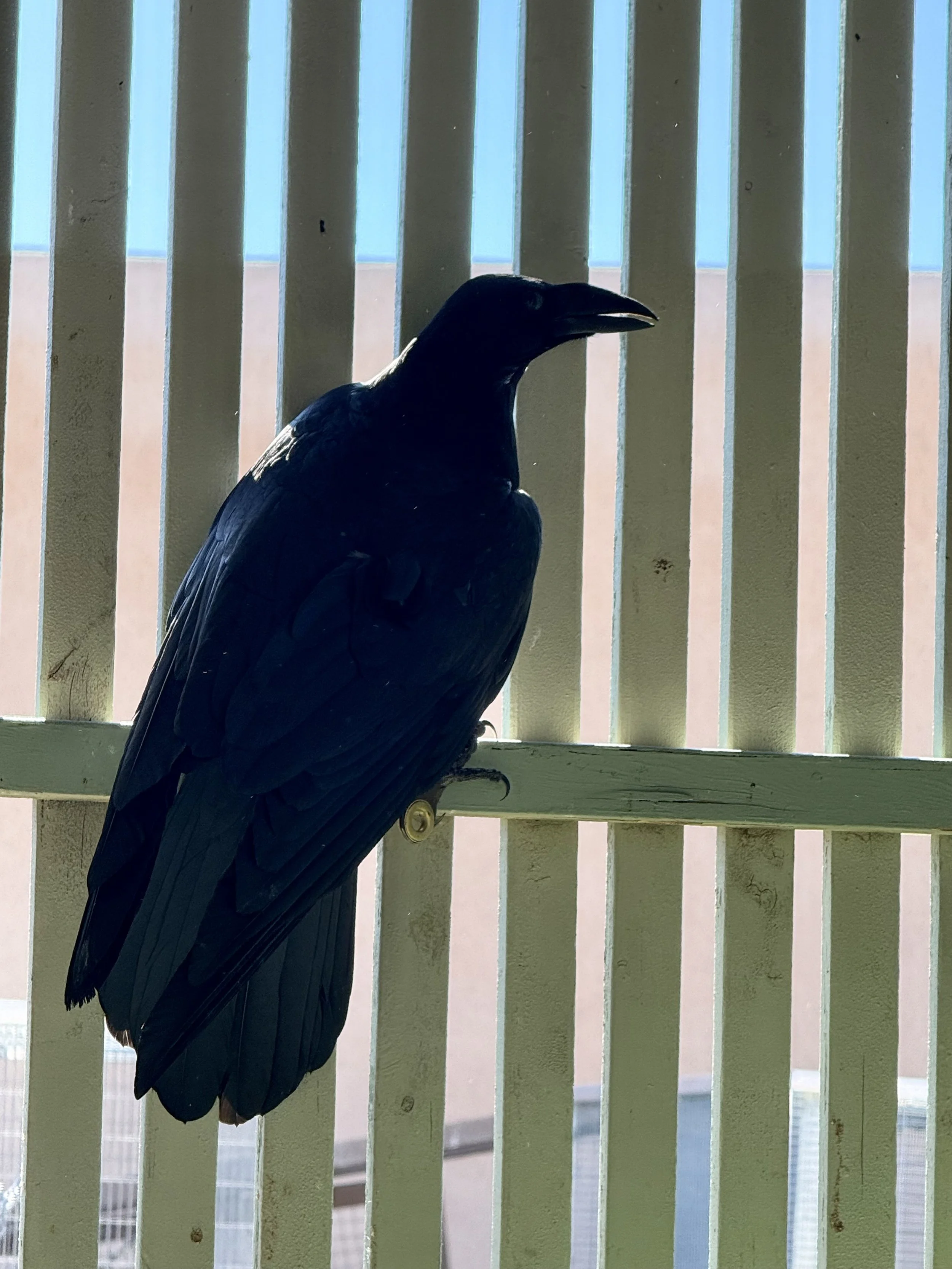
Meet the Birds

I found a bird! What do I do??

Here are some simple things you can do to help injured or baby birds:

  • BABY BIRD: if you can access the nest, put the bird back. The parents want their baby, and it’s an old wive’s tale that they will reject the bird once it’s been handled. If you can’t find the nest, the baby needs care. The most important thing is not to let the baby get cold. You can warm it on your skin, or put it in a box atop a heating pad on low. DO NOT give it food or water, unless expressly instructed to by a rehabilitator (check ahnow.org for a list of rehabilitators near you).

  • WINDOW STRIKE: go pick up the bird right away (you can pick it up using a towel) and put it in a covered box. Place the box in a quiet, dark room. This is the first treatment for shock. After an hour or two, take the box outside and open the top. If it flies off immediately, it’s likely ok. If it hesitates or does not try to fly, it needs to go to a rehabilitator.

  • INJURY: Put something over it and pick up to place in a box. Get it to a rehabilitator.

Other things to know:

  • If you are needing to pick up/transport a raptor (owl, hawk, falcon), it is the feet, not so much the beak, to worry about; make sure the feet and the bird’s head are completely covered and wrapped in a blanket or large towel. It is best to place the bird in a box for transport to the rehabilitator.

  • When transporting a bird, don’t put any water or fluids in their mouth. Take any water out of the box during transport.

  • When you call a rehabilitator, it is very helpful to send them a photograph of the bird.

  • If you have found a hummingbird, give it some sugar water (1 part sugar to 4 parts water). You can dip your finger in the solution for it to lick.

To reach On A Wing And A Prayer, call or text (505) 480-7777

How else can I help the birds?

DON’T USE POISON AS PEST CONTROL! Pesticides used in your garden can kill songbirds, who feed on seeds. Other birds eat invertebrates, who also consume seeds and plants laced with pesticides. They also kill insects, making it difficult for birds to find food.

Many poisons are marketed as mess-free solutions to eliminate mice and rats, as they eat the poison and go off to die elsewhere. Rodenticides often have long half-lives, meaning the rodents eat far more than a lethal dose. They are also anticoagulants, causing the rodents to become sluggish and disoriented as they slowly bleed to death. This makes them easy targets for hawks, owls, crows, ravens, roadrunners, and vultures. The birds then bleed internally from the poison and die .

Additionally, birds can develop severe neurological problems and even die when they consume prey that has been killed using ammunition made with lead.

What can you use instead? Snap traps are efficient and more humane than poison. But the best rodent trap you can ask for is a raptor! The American Bird Conservancy has tips on other strategies to avoid pesticide use: https://abcbirds.org/news/ways-to-reduce-pesticides/

KEEP YOUR CATS INSIDE! On average, indoor cats live twice as long as outdoor cats. Keeping them inside protects them from predators, cars, and disease, and it goes a long way to protecting wild birds. An estimated 2.4 BILLION birds are killed by cats each year in the U.S. alone. Go to https://abcbirds.org/solutions/keep-cats-indoors/ for more information.

USE WINDOW STRIKE DETERRENTS—Reflective windows are a common cause of death in birds. The ubiquity of glass throughout the world means collisions are the second most common human-caused threat to birds (following cat predation). Luckily, there are simple steps you can take to mitigate or prevent this problem. Often one or two windows are hit over and over, so you can focus on just those windows. For suggestions on what you can do, visit https://abcbirds.org/strategies/solutions-for-homes/

Contact us

Interested in having us bring wild birds to your classroom, workplace, or event (please put hoped-for dates and times in the message)? Would you like to come tour the facilities to see where the education birds live? Do you want to become a volunteer? Just fill out the info form and we will get back to you shortly!

You can also call or text at (505) 480-7777