I found a bird! What do I do??
IF YOU NEED TO KEEP THE BIRD OVERNIGHT
For baby birds, it is imperative to keep them warm. Place them in a quiet, dark, draft-free space indoors in a box lined with paper towels or a washcloth. If possible, place box on a heating pad set on low. Do not give them food. You can provide water via a few drops from your finger on the side of their beak.
For older or injured birds, follow the same protocol. It is not as imperative to keep them warm.
IN THE MORNING, you can take the bird to Wildlife Rescue, located at the Rio Grande Nature Center, 2901 Candelaria Rd NW. They have staff available for intakes from 9-3.
You can also reach out to On a Wing and a Prayer at 505-480-7777.
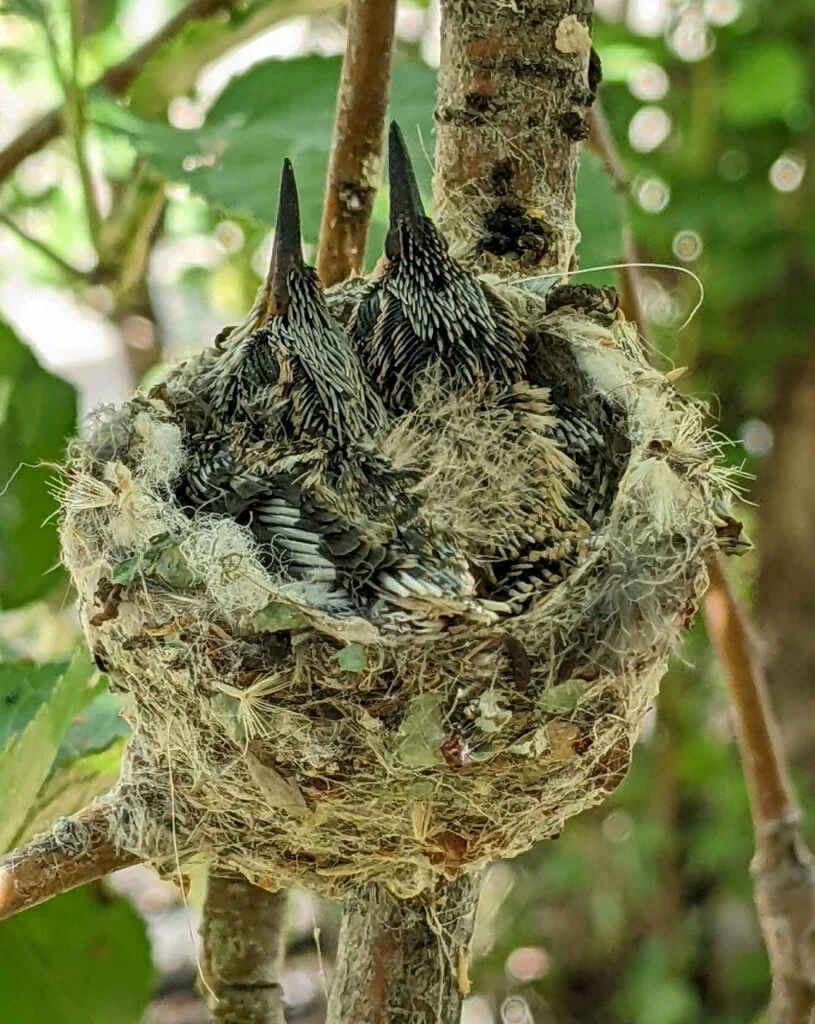
Here are some simple things you can do to help injured or baby birds:
BABY BIRD: if you can access the nest, put the bird back. The parents want their baby, and it’s an old wive’s tale that they will reject the bird once it’s been handled. If you can’t find the nest, the baby needs care. The most important thing is not to let the baby get cold. You can warm it on your skin, or put it in a box atop a heating pad on low. DO NOT give it food or water, unless expressly instructed to by a rehabilitator (check ahnow.org for a list of rehabilitators near you).
WINDOW STRIKE: go pick up the bird right away (you can pick it up using your hand or a towel) and put it in a covered box. Place the box in a quiet, dark room. This is the first treatment for shock. After an hour or two, take the box outside and open the top. If it flies off immediately, it’s likely ok. If it hesitates or does not try to fly, it needs to go to a rehabilitator.
INJURY: Put something over it and pick up to place in a box with folded paper towels or a dish towel on the bottom. Get it to a rehabilitator.
Other things to know:
If you are needing to pick up/transport a raptor (owl, hawk, falcon), it is the feet, not so much the beak, to worry about; make sure the feet and the bird’s head are completely covered and wrapped in a blanket or large towel. It is best to place the bird in a box for transport to the rehabilitator.
When transporting a bird, don’t put any water or fluids in their mouth. Take any water out of the box during transport.
When you call a rehabilitator, it is very helpful to send them a photograph of the bird.
If you have found a hummingbird, give it some sugar water (1 part sugar to 4 parts water). You can dip your finger in the solution for it to lick.
To reach On A Wing And A Prayer, call or text
(505) 480-7777